
There I was, arriving in Bali with a mix of excitement and nerves. Yoga had always been on my "to-try" list, but I’d never committed. What made me finally book that week-long retreat? Two things: a desire to slow down and a truth I was avoiding, my body felt constantly tired, my mind scattered, and I knew I needed a reset. My destination? Desa Seni Eco Village, a resort that felt gentle, welcoming, and perfectly suited for someone like me: a beginner.
Why this type of retreat is perfect for newcomers
What struck me most was how approachable the whole experience was, for instance:
- My morning began with a gentle asana class (nothing scary, just mindful movement).
- After that came pranayama (breathing) and a short meditation, both new to me, and both things I could do.
- The pace was relaxed: plenty of time to wander the gardens, explore, rest.
- At Desa Seni I discovered they offer daily yoga classes for “all levels” and fully support people just starting their practice.
- And the setting: antique wooden homes, lush tropical gardens, organic meals, all of which created a safe, calm “home base” for stepping into yoga.
One of their upcoming events really caught my eye: the Kundalini Yoga Retreat from 9-15 February 2026, guided by experienced teachers Kia & Erica at Desa Seni. That felt like a gentle, well-structured way to dive a little deeper (if you’re ready) but still beginner-friendly.
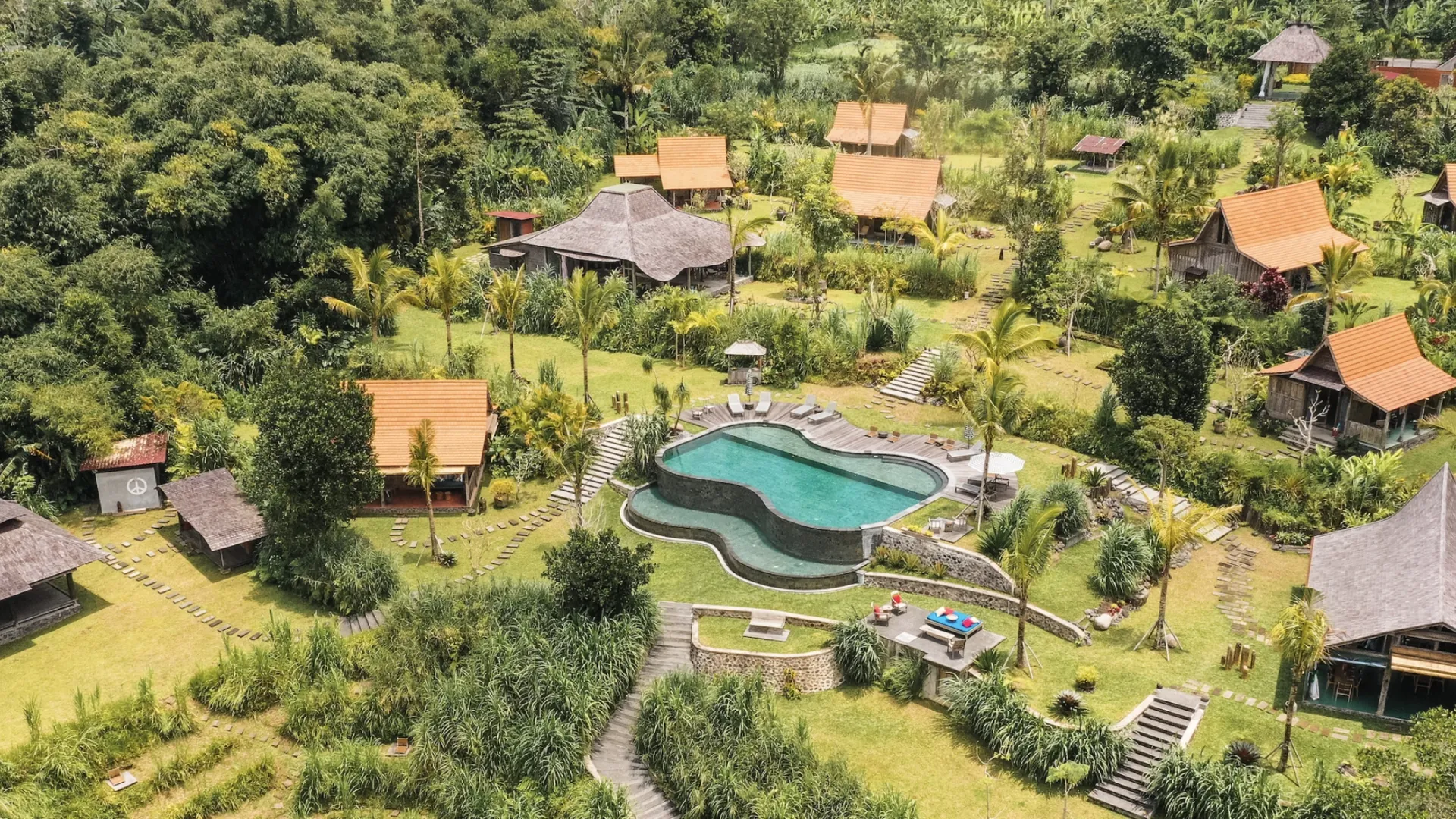
Desa Seni Baturiti
Photo from Desa Seni
My Experience on the Mat
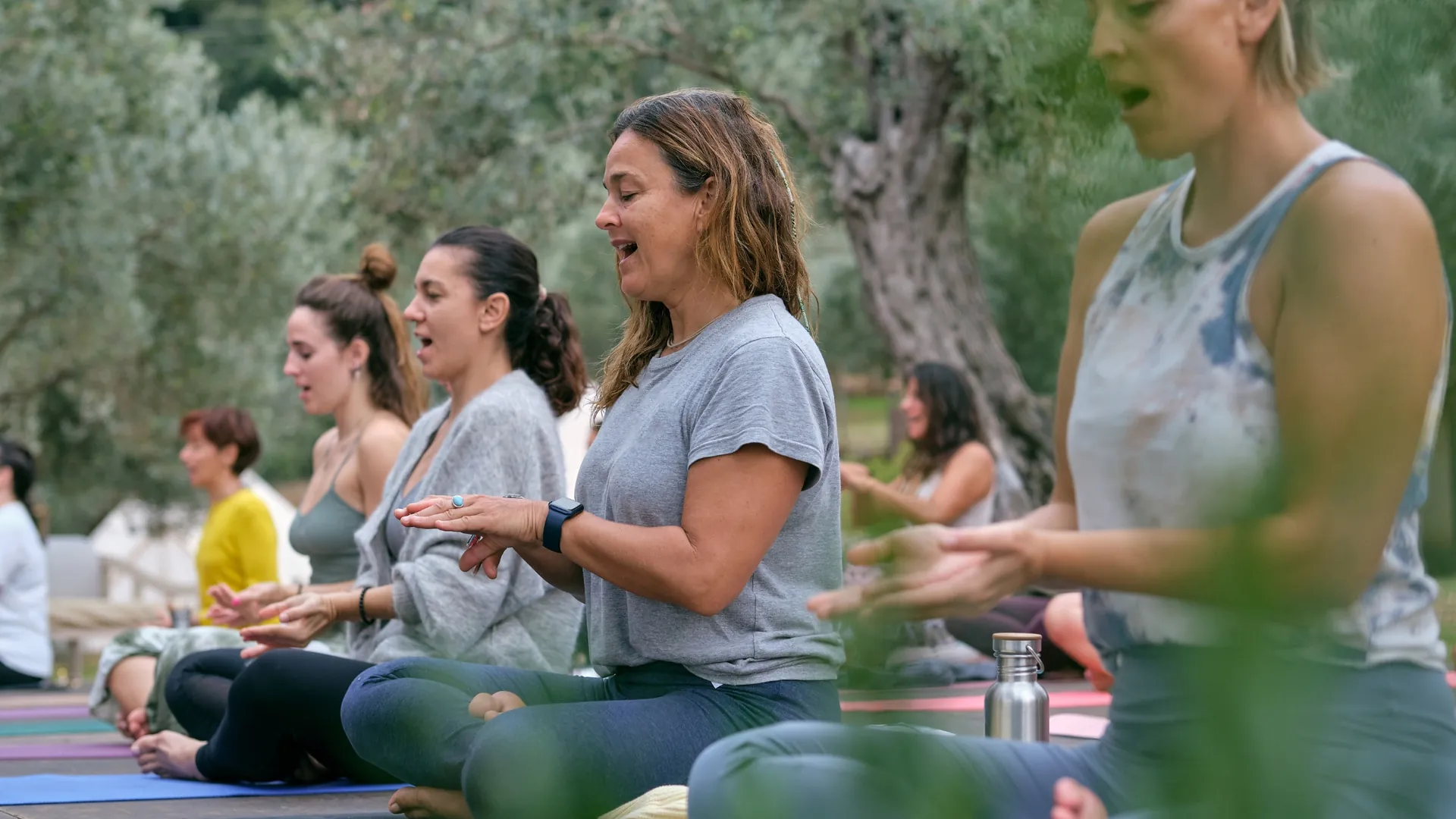
On Day 1, I lay matside in a bright, open-air pavilion, palms greeting the rising sun. The teacher led us through basic hatha flows (think: mountain pose, cat/cow, gentle twists) and paused frequently: “Notice how your body feels here.” That pause, so simple, so rare, helped me truly be in the moment for the first time in weeks. Later, the pranayama session taught me to breathe slowly, deeply, with intention. It’s amazing how 10 minutes of mindful breathing can change your day. Then meditation: short, guided, only five minutes at first but it unlocked something I didn’t expect: inner quiet. In the free time that afternoon I explored the organic gardens, rested by the pool, and felt myself unwinding. By Day 3 I was attending yoga with more confidence. By Day 6 I surprised myself: I could hold a plank and felt proud of it. On the last evening, someone asked: “What’s next after this retreat?” And I realised: I wanted to keep practicing.
Why this retreat style works for beginners
- Supportive teachers: at Desa Seni they emphasise “learning at your own pace.”
- Inclusive program: Not “yoga for experts only”, you’re welcomed as you are.
- Balance of structure and freedom: You get guided classes, but also rest, walks, time to explore.
- Beautiful setting: For me the environment mattered, being surrounded by nature helped me relax into the practice.
- Good logistics: Retreat centers like this often include meals, comfortable accommodation, and helpful staff. When you’re new, you don’t want to be worrying about transport or bookings every day.
Planning Your Own Retreat
If you’re ready to give it a go, here are a few practical thoughts:
- Time your trip: I recommend booking during Bali’s drier months (April–October) so you maximise outdoor yoga and exploration.
- Choose your location: Canggu has surfy-beach energy; Ubud and Tabanan/Baturiti (where Desa Seni is) are more tranquil.
- Check retreat dates: As I mentioned, Desa Seni lists Feb 9-15 2026 as a Kundalini retreat.
- Budget accordingly: Some retreats include meals/accommodation; some are add-ons.
- Connectivity: One thing I appreciated was that I could still stay in touch via WiFi (for a few hours) without being tethered, important if you’re traveling for a few days and want to check in with family.
- Stay connected: On a trip like this you’ll likely use your phone for photos, directions, sharing reflections. That’s where having reliable mobile data helps.
Why mobile connectivity matters (and how you can make it easy)
While I was there, I found it invaluable to have internet access to:
- Pull up the retreat schedule and class descriptions.
- Use Google Maps when I went on a nature walk in the afternoon.
- Stay in touch with my travel buddy and share a sunset photo post-yoga.
That’s why I chose to use an eSIM from ORA eSIM, it gave me mobile data without buying a local SIM, and I could activate it instantly on arrival. Since many beginner retreats are in somewhat remote but beautiful spots, it’s nice to have internet when you need it, and not worry about trying to find a store or deal with a local SIM card with language barriers.
If you’re planning a yoga retreat in Bali, consider having an eSIM ready: before you board the plane activate it, and know you’ll land with data ready. That way you can check your retreat’s welcome email, download schedules, maybe even book a spa treatment or evening excursion easily. It’s a small thing, but when you’re in a “new zone” (new country, new pace), it makes you feel grounded.
If you’re a beginner and wondering whether a yoga retreat is “for you,” I’ll say this: yes, it absolutely is! My week at Desa Seni was gentle yet powerful. I didn’t feel intimidated; I felt invited. I discovered that yoga isn’t about being perfect, it’s about showing up. And leaving with clearer breathing, steadier focus, and a new friend group of like-minded travellers is just a sweet bonus.
If you choose to go, pick a retreat that says “all levels welcome,” check a few of its upcoming dates and make sure you’ve got your mobile data sorted (to look up that sunset after practice!).
And when you’re on your mat, remember: the journey begins with one breath.
FAQs
I’ve never done yoga before, is a retreat like this too advanced for me?
Not at all. Many retreats (especially those labelled “beginner-friendly”) are designed for people with little to no experience. At Desa Seni, the classes and program explicitly welcome all levels and allow you to learn at your own pace.
What should I pack for a beginner yoga retreat in Bali?
Comfortable yoga clothes (moisture-wicking), a light jacket for evenings, modest attire for any cultural outings (shoulders/legs covered), swimwear if there’s a pool, and an open mind. Don’t forget a reusable water bottle. Also, your phone + charger and maybe a travel adaptor if needed (and ensure you have mobile data via eSIM like ORA eSIM).
How intense will the yoga sessions be?
That depends on the retreat, but in beginner-friendly ones you can expect gentle flows, ample breaks, some alignment cues, breathing practices, and meditation. At Desa Seni for instance the offering covers asana + pranayama + meditation in a supportive environment.
How many days should I stay to get benefit?
Even a short stay (5–7 days) can leave you feeling refreshed, renewed and confident to continue your practice. A week gives time to settle in, learn basics, rest, and leave with momentum. I stayed 6 nights and felt I got a full reboot.
What about Internet and staying connected during the retreat?
Most resorts will have WiFi, but if you value mobile data (for sharing moments, maps, staying in touch) using an eSIM like ORA eSIM means you can land in Bali and have data instantly without fussing with local SIMs. For a beginner traveller, that ease means you worry less and enjoy more.
Can I combine yoga with other activities (surf, nature walks, spa)?
Yes! If you are a beginner you might not want to add on too many high-intensity extras, but many retreats do combine gentle yoga with walks, spa treatments or even beginner surf lessons in places like Canggu.