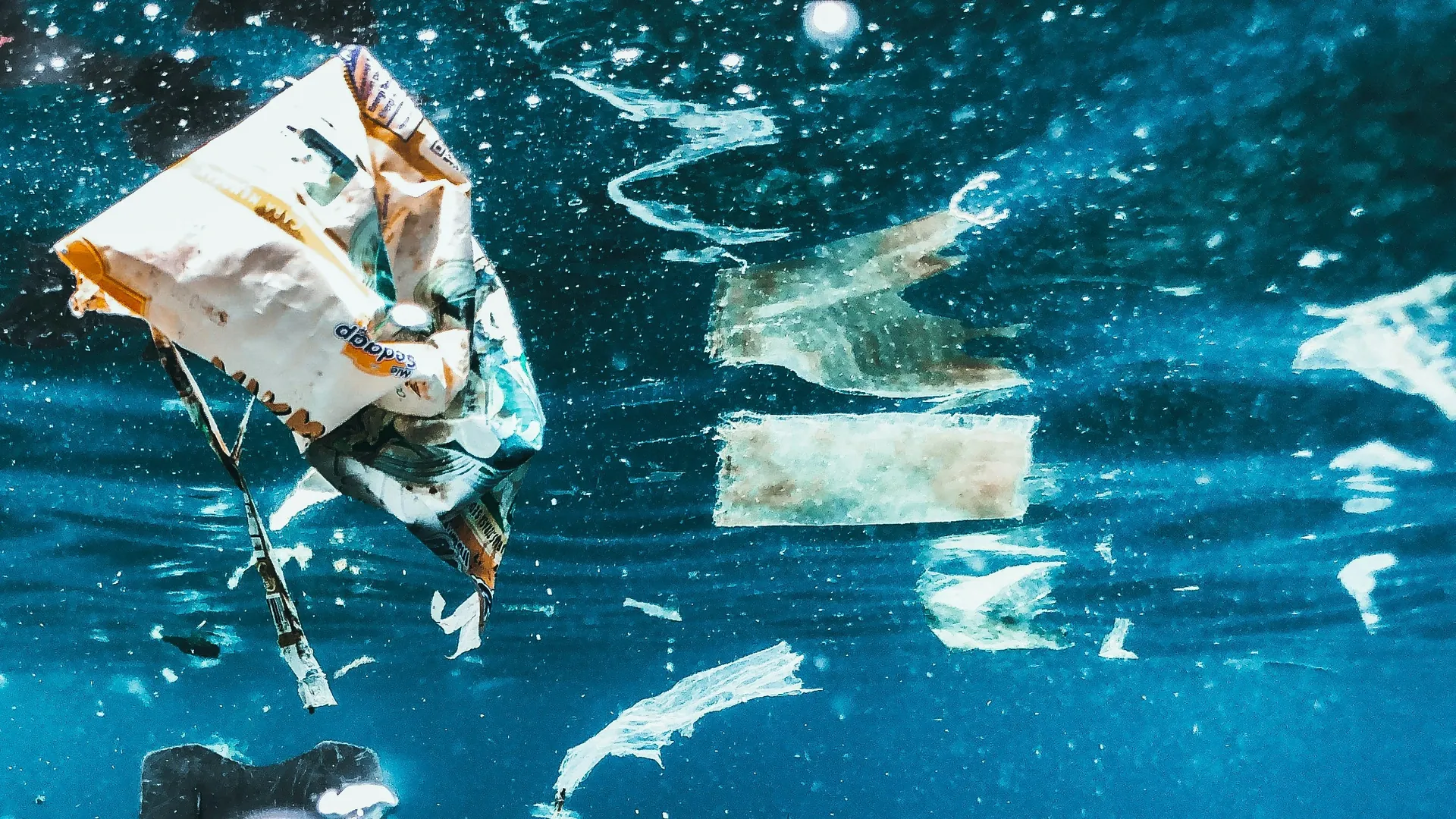
Bali’s beauty draws millions of visitors each year but that popularity also comes with a challenge. For decades, the island has struggled with overflowing landfills, plastic pollution, and waste systems that couldn’t keep up with rapid growth. Today, that story is finally shifting. These projects are not only reducing landfill pressure but also generating clean electricity for surrounding communities.
Here’s how Bali is turning waste into power and why 2026 is shaping up to be a turning point.
The Push for Cleaner Waste Management
Mountains of trash at Suwung Landfill once made headlines worldwide. Now, the island is investing in a different approach: converting waste into energy instead of storing it in landfills.
Several factors are driving the change:
- Bali’s commitment to becoming more sustainable
- Government-backed regulations targeting plastic reduction
- Increased private-sector involvement
- Community awareness and education around sorting waste
The goal is simple: less trash in the ground, more clean power for Bali’s grid.
Denpasar’s Waste Power Plant: Leading the Way
One of the biggest advancements is the Denpasar Waste-to-Energy Power Plant.
This facility takes in hundreds of tons of waste each day, processes it, and converts it into usable electricity. While the output isn’t huge compared to large power stations, it significantly reduces the volume of waste heading to the Suwung landfill.
The benefits go beyond power generation:
- Lower methane emissions
- Less open dumping and burning
- Cleaner surrounding communities
- A more sustainable waste cycle
By 2026, the plant is expected to increase processing efficiency as additional equipment upgrades roll out.
Community Efforts Are Just as Important
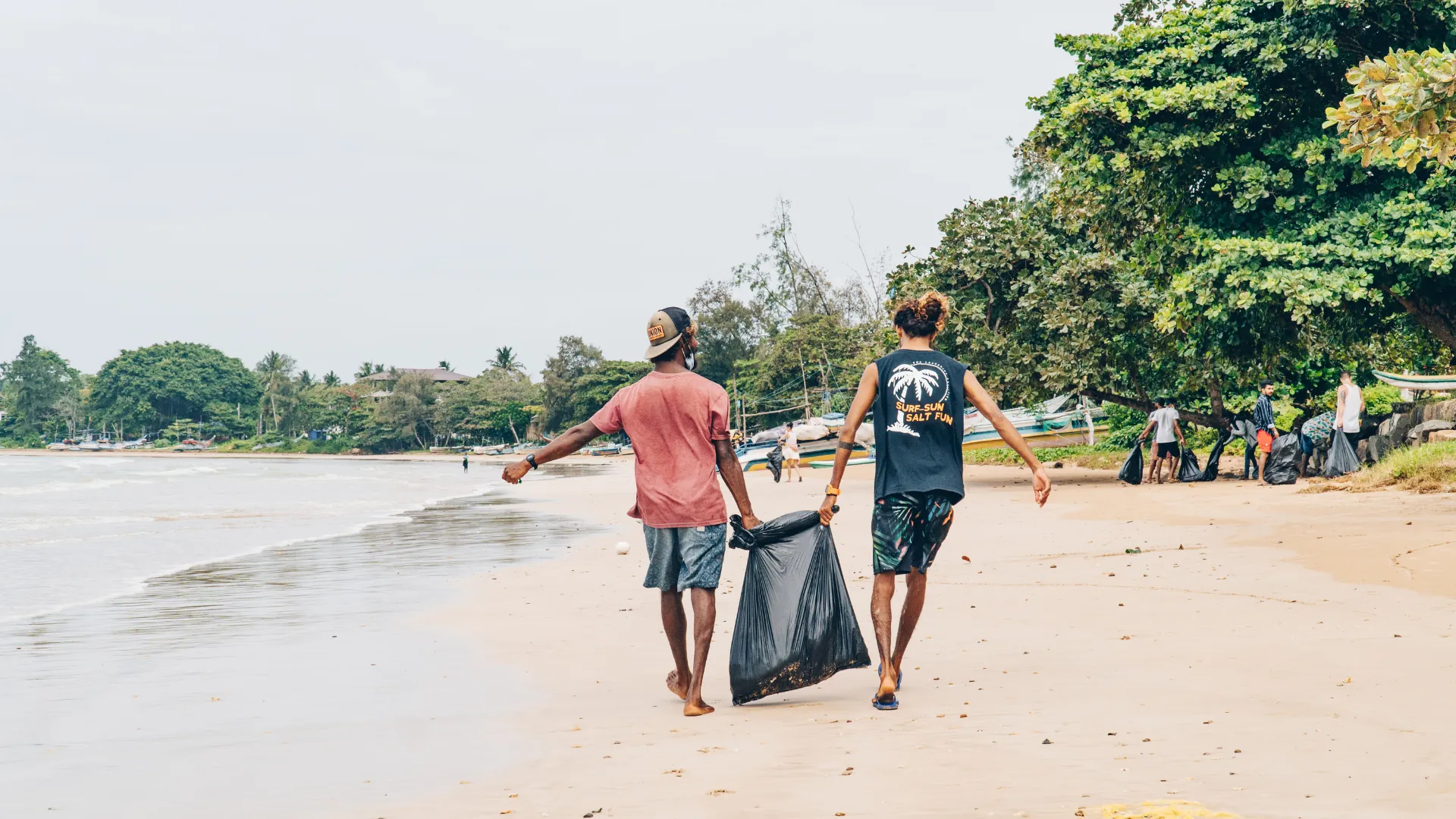
Large-scale facilities are one part of the solution, but Bali’s sustainability shift is also deeply local.
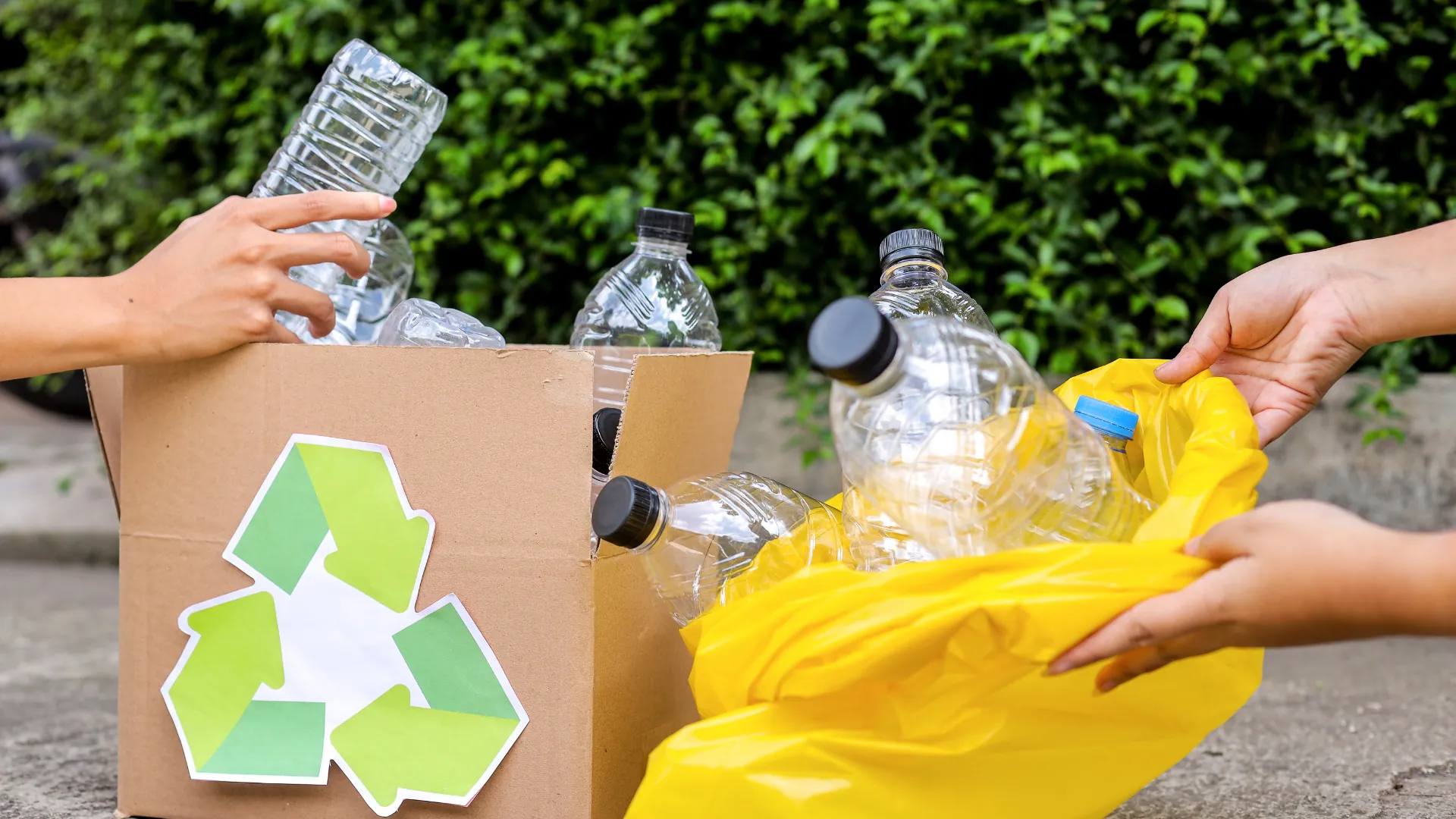
Groups like Eco Bali Recycling, Bye Bye Plastic Bags, and local banjars are teaching residents how to sort waste at home, reduce plastic consumption, and recycle properly. These community-driven projects have helped Bali move from awareness to real action.
The impact is clear:
- More households separating organic and inorganic waste
- Increased recycling participation
- Less plastic making its way to rivers and beaches
It’s a reminder that waste solutions don’t start at landfills — they start in the household.
The government has outlined a larger roadmap for Bali’s waste-to-energy future, including:
- More WTE facilities outside Denpasar
- Partnerships with renewable energy companies
- Improved waste collection infrastructure
- Scaling of composting programs for organic waste
By 2026, Bali is aiming for a more integrated waste system that combines recycling, composting, and energy conversion not just one solution.
Bali’s waste-to-energy projects are reshaping how the island handles its trash and how it powers its future. With government support, community action, and new technology on the rise, Bali is moving toward a cleaner, more sustainable version of itself.
FAQs
Is Bali’s waste-to-energy system fully operational?
Yes, the Denpasar facility is operational and continues to expand capacity. More facilities are planned across the island.
Does WTE replace recycling?
No. The goal is a balanced system where recyclables are sorted, organics are composted, and non-recyclables go to WTE plants.
Is the electricity produced significant?
It supplements the grid, but the biggest benefit is reducing landfill waste and pollution.
How can visitors support this movement?
Use refillable bottles, avoid single-use plastics, and stay at eco-minded accommodations that practice waste separation.