
Building a startup in Bali sounds like a dream. Think coconuts, coworking, and creative freedom under the sun. But once the honeymoon phase ends, founders quickly realize that paradise comes with its own set of growing pains. From navigating financial systems to building reliable connectivity, running a business on an island tests even the most resilient entrepreneurs.
In 2026, Bali’s startup ecosystem continues to evolve rapidly. With event like Asia Tech Island Conference happening in Ubud later this year, global attention is turning toward the island as Southeast Asia’s emerging innovation hub. Yet behind the palm trees and coworking spaces lies the reality: tech founders here are still climbing a mountain of challenges.
Limited Access to Investors
Ask any Bali founder what’s hardest about launching here, and many will point to the limited local investor network. While Indonesia as a whole has strong investment activity (especially in Jakarta), many VCs remain hesitant to invest outside the capital. Jakarta-based East Ventures and 500 Global are now exploring “remote-founder funds” aimed at backing startups operating from hubs like Canggu and Sanur. These shifts show that investor attention is slowly catching up with Bali’s creative energy.
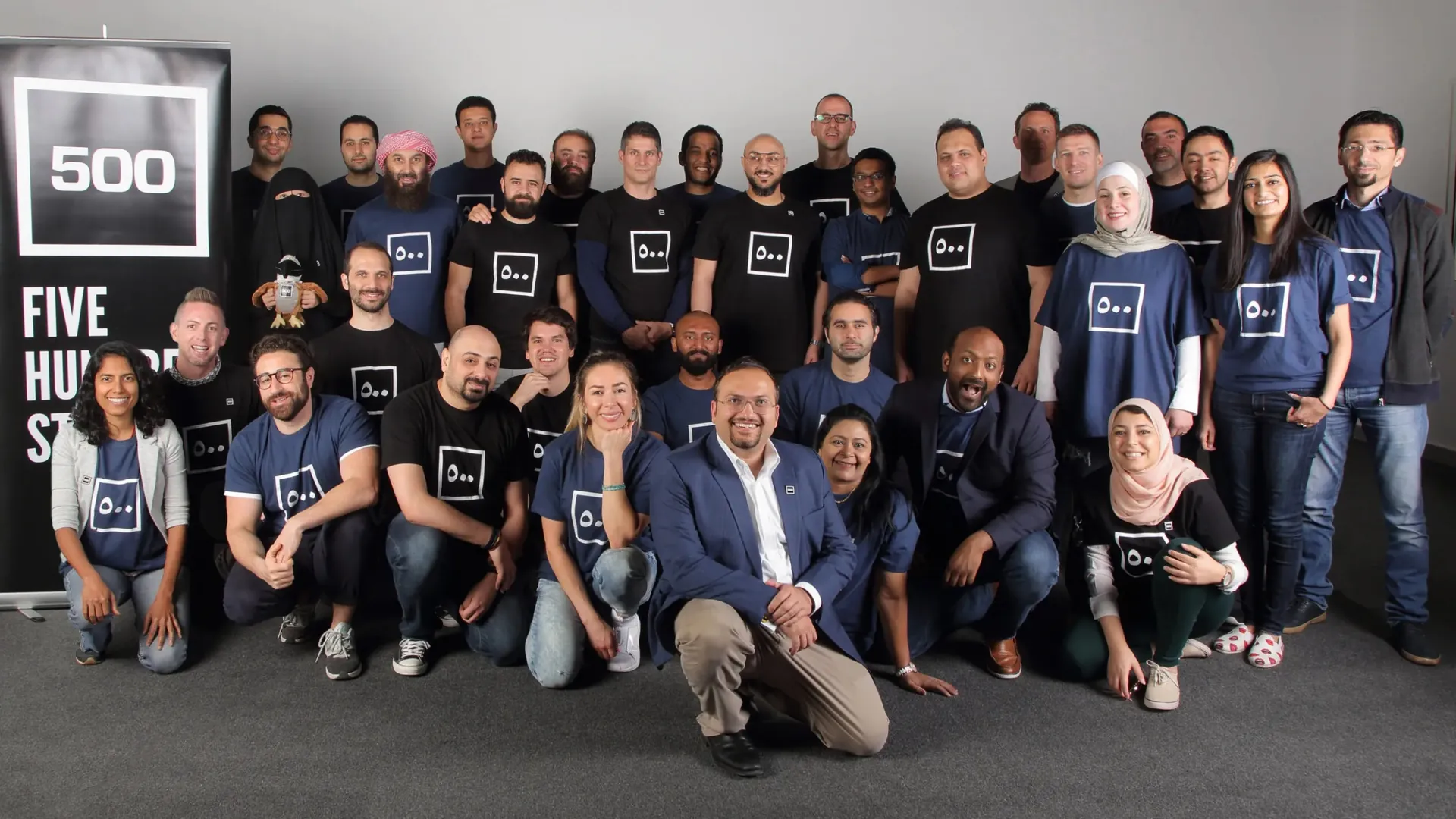
500 Global
Picture from 500.co
Logistical and Infrastructure Hurdles
While Bali’s infrastructure has improved dramatically, founders still deal with quirks that remind them they’re not in Singapore. Delivery networks can be slow, customs processes unpredictable, and stable high-speed internet isn’t guaranteed in every area, though the rollout of 5G across southern Bali in mid 2026 is a promising upgrade.
That’s where having the right tech tools becomes essential. Many founders rely on ORA eSIM to stay connected across multiple networks seamlessly, especially when their work takes them from Uluwatu’s coworking villas to Denpasar meetings or even to Singapore investor meetups. With ORA eSIM, they can switch between local carriers or tap into 5G wherever available, avoiding SIM swaps or store visits that break productivity.
Financial and Banking Barriers
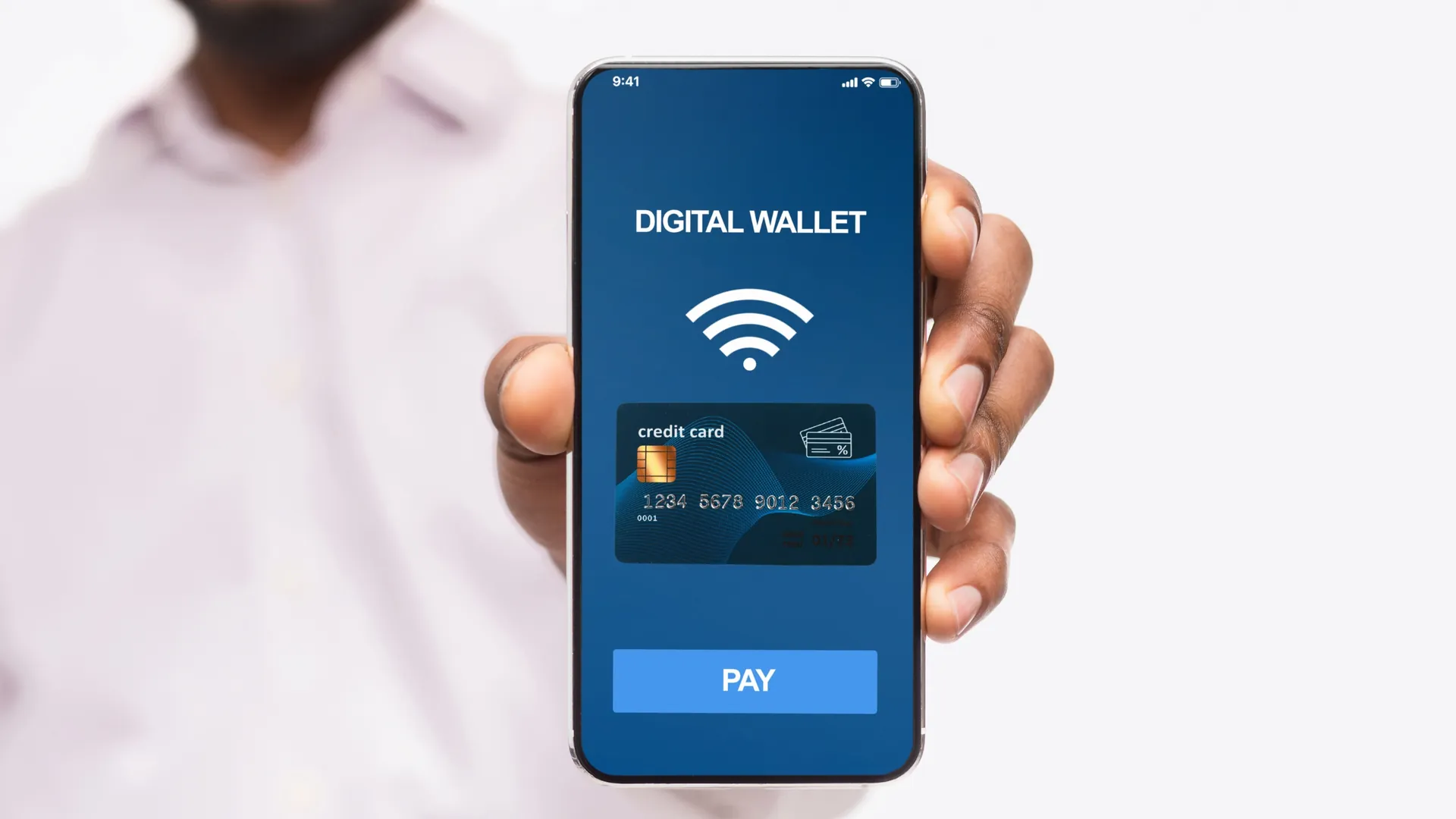
The dream of running a global startup from a beach often collides with the reality of cross-border banking hurdles. Setting up corporate accounts, processing international payments, and managing taxes across different jurisdictions can become a full-time headache. However, 2026 is bringing fintech progress. Tropipay recently launched a digital wallet system that connects with crypto gateways and supports international invoicing for remote startups. Combined with payment tools like Wise Business and Revolut Pro, founders are finding new ways to streamline finance.
Even so, it’s still common to hear stories of founders stuck on calls with overseas banks, often while sitting in a Canggu café with a surfboard leaning on the wall. Staying reliably online, once again, becomes the unsung hero of productivity.
Talent Retention and Visa Challenges
Another recurring struggle is hiring and keeping skilled tech talent. Many local developers eventually move to Jakarta or Singapore for higher salaries, while foreign founders navigate evolving visa regulations like Indonesia’s new Digital Nomad Visa (E33G). This visa allows remote entrepreneurs to stay for up to five years tax-free if their income comes from abroad, a major win for Bali’s tech scene. Yet founders still face bureaucracy and unclear processes when establishing long-term bases for employees. Coworking communities like Outpost and Tropical Nomad now host monthly sessions on legal frameworks and work permits, helping founders stay compliant while focusing on growth.
Beyond individual challenges, Bali’s broader startup ecosystem is still finding its rhythm. Mentorship programs are emerging, but there’s a lack of structured accelerators or university partnerships compared to other hubs.
FAQs
Is Bali really a good place to start a tech business in 2026?
Yes, especially for early-stage founders or remote startups. The ecosystem is smaller than Jakarta’s but far more international, creative, and community-driven.
What’s the biggest challenge for tech founders in Bali?
Access to investors and reliable infrastructure remain top concerns, though both are improving as 5G expands and more VCs open to Bali-based teams.
Can I legally operate a startup as a foreigner in Bali?
Yes, through local company setups (PT PMA) or under the new Digital Nomad Visa 2.0, which allows remote work and partial business activities.
How does ORA eSIM help startup founders in Bali?
ORA eSIM provides seamless connectivity across multiple Indonesian networks, ideal for founders who travel often, need stable internet for meetings, or manage remote teams across time zones.