
I still remember the first time I biked through the lush rice fields of Ubud and stumbled upon a bamboo bridge leading into a quiet village powered by solar energy. It wasn’t just another Bali retreat, it was a glimpse into the island’s green future. That journey sparked my fascination with green innovation in Bali, where sustainability isn’t just a buzzword but a way of life. From circular economy projects in Ubud to renewable energy startups reshaping the coastlines, Bali is quietly becoming Southeast Asia’s most forward-thinking eco hub.
Here’s how 2026 is shaping up to be the year Bali redefines sustainability, one project at a time.
Inside Bali’s Green Village – Living Sustainably
Tucked away near Ayung River, Green Village Bali is an architectural and environmental marvel. Built entirely from bamboo, it’s more than a residential area, it’s a living experiment in sustainable living. Homes are designed with open airflow, solar power integration, and compost systems. This community, born from the Green School Bali movement, continues to inspire international eco-builders who visit to learn about renewable materials and circular design. It’s a working example of how local craftsmanship meets global sustainability values, turning the island into a hub for eco projects in Bali that others now replicate worldwide.
How Bamboo Architecture from Bali Inspires the World
Bali’s bamboo architecture has evolved from a traditional craft to an international design phenomenon. Studios like IBUKU, founded by Elora Hardy, showcase how natural materials can shape luxury spaces, from resorts in Ubud to eco-pavilions in Costa Rica. This innovation has encouraged architects worldwide to adopt Bali’s philosophy: design with nature, not against it. Beyond aesthetics, bamboo buildings are carbon-negative, cost-efficient, and earthquake-resilient, making them a pillar of green innovation in Bali and beyond.
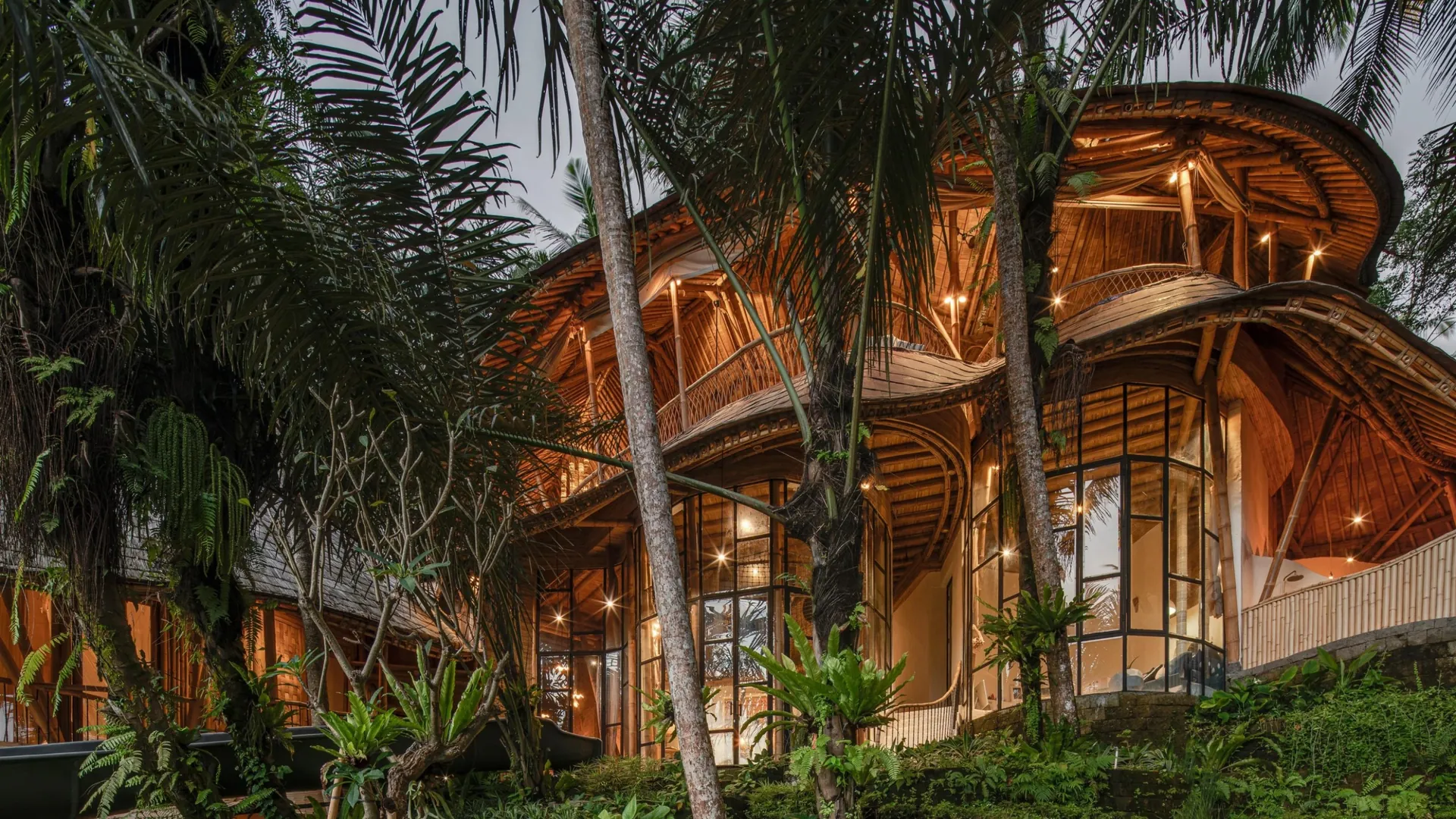
Green Vilage Bali
Photo from Ibuku
Turning Waste into Power – Waste to Energy Projects in Bali
Waste management has long been one of Bali’s biggest challenges. But new waste-to-energy projects in Bali are changing that. The Denpasar Waste Power Plant, for instance, converts hundreds of tons of waste daily into electricity, reducing landfill use and pollution. Community-driven initiatives like Eco Bali Recycling also play a big role, educating locals about separating waste at the source. With government support and private collaboration, these projects mark a major leap toward a plastic-free Baliand a cleaner energy future.
Water Conservation Innovations in Bali’s Resorts
Luxury resorts across Bali are joining the water conservation movement. From Alila Villas Uluwatu recycling greywater to Four Seasons Sayan using rainwater harvesting, hospitality leaders are proving that sustainability can enhance guest experience. These systems reduce dependence on Bali’s freshwater resources, which are under increasing stress due to tourism growth. As more properties adopt water conservation in Bali, the island’s hospitality sector is setting new eco-standards for the region.
The Plastic-Free Movement – Bali’s Eco Revolution
When sisters Melati and Isabel Wijsen launched Bye Bye Plastic Bags, few imagined it would spark an island-wide revolution. Today, plastic-free Bali is no longer an aspiration, it’s reality. Single-use plastic bans, reusable alternatives, and refill stations are now commonplace, especially in Ubud and Canggu. The ripple effect extends beyond policy: it’s changed habits. Local warungs use banana leaves instead of plastic wrap, while markets offer refill options for everyday products. This grassroots transformation highlights how green innovation in Bali starts with the community.
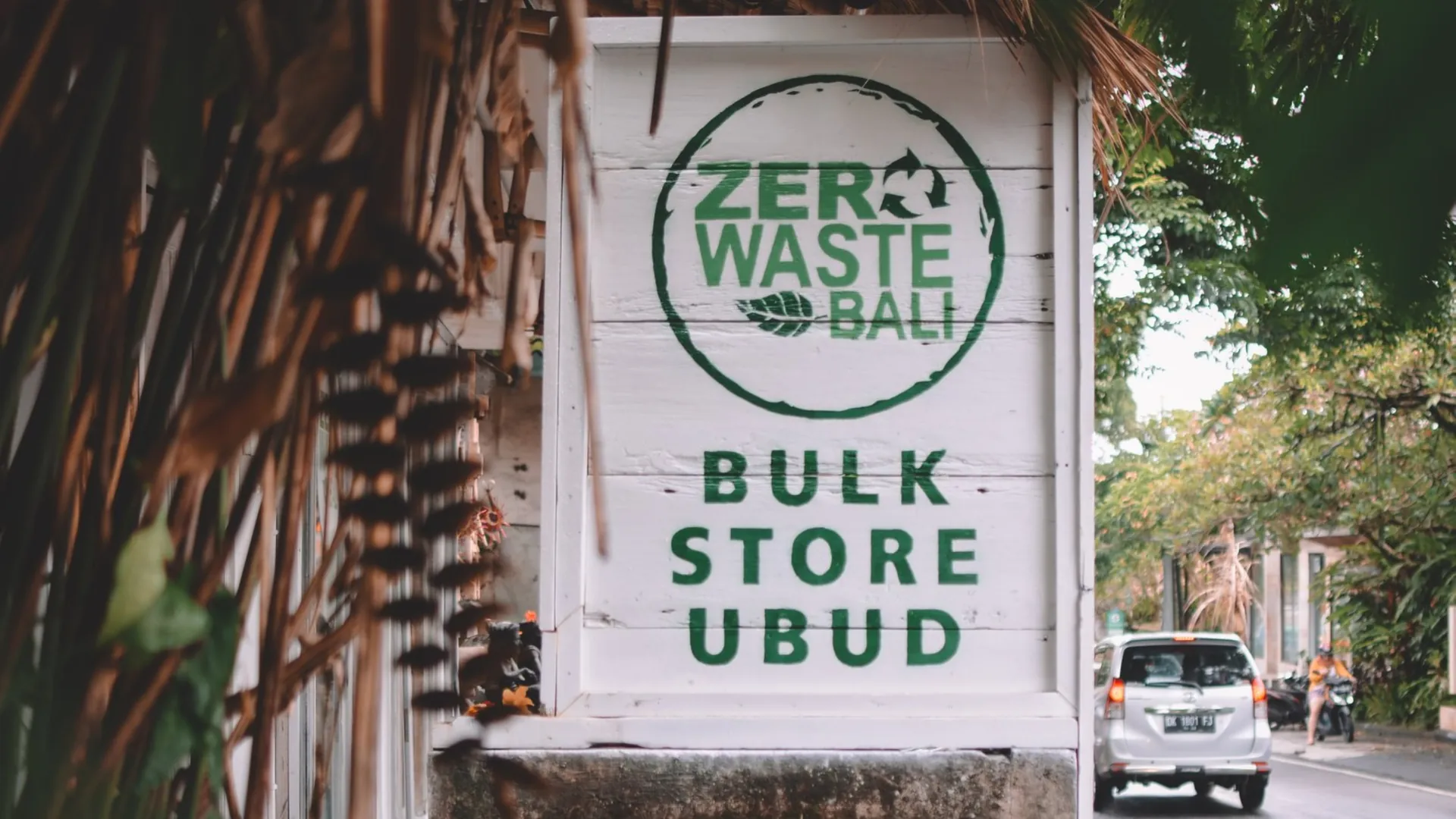
Photo from Zero Waste Bali
Renewable Energy Startups Powering a Greener Future
From solar microgrids in Nusa Penida to biogas systems in rural villages, renewable energy startups are the backbone of green Bali’s evolution. Companies like Clean Power Indonesia and Sun Sang Eco Energy are helping reduce dependence on diesel generators by offering scalable renewable solutions. These startups don’t just power homes, they power opportunities. Entrepreneurs, digital nomads, and sustainable tourism businesses all benefit from the island’s cleaner, more reliable energy systems.
Circular Economy Projects Growing in Ubud
Ubud is now Bali’s beating heart of circular economy innovation. Projects like Bumi Sehat, Pituq Café, and Zero Waste Bali illustrate how businesses can thrive while minimizing waste. The focus is on closed-loop systems, where every product and resource is reused or repurposed. Workshops and co-creation spaces in Ubud’s Green Hub attract eco-entrepreneurs eager to test new sustainable ideas. This vibrant ecosystem of creators and changemakers makes circular economy Ubud one of the region’s most inspiring sustainability success stories.
How Local Communities Embrace Eco Innovation
The true heroes of eco projects in Bali are local communities. In villages like Penglipuran and Sidemen, traditional Balinese values Tri Hita Karana (harmony with people, nature, and spirit) guide everyday life. Locals are adopting composting, reforestation, and organic farming techniques while preserving their cultural identity. Collaborations with NGOs and tourism operators provide training and micro-grants, helping these communities scale their impact sustainably.
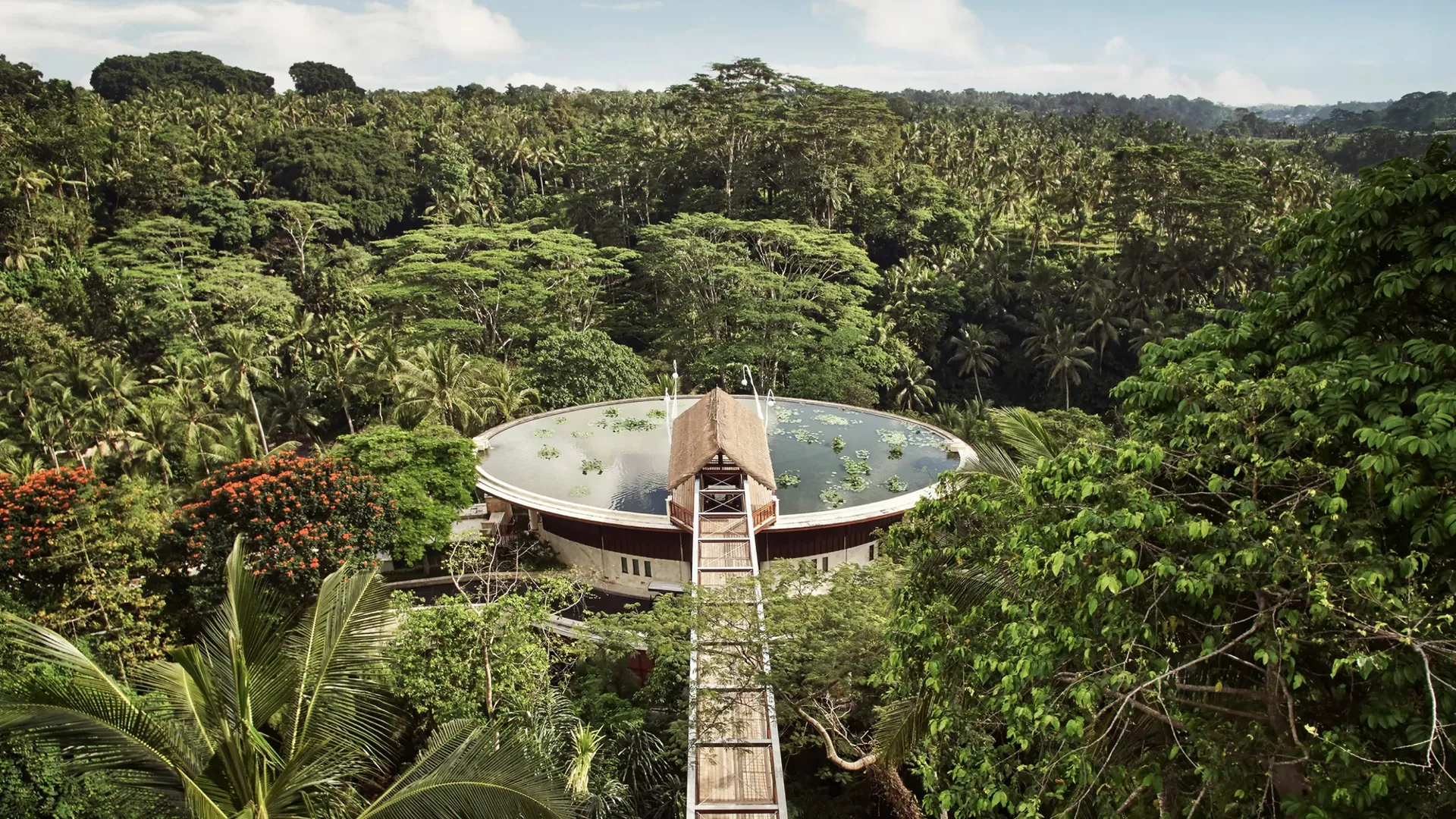
Four Seasons Sayan
Photo from Condé Nast Traveler
The Challenges of Scaling Green Projects in Bali
Despite the progress, scaling green innovation in Bali isn’t without hurdles. Funding remains a challenge, as many eco startups rely on short-term grants or tourism-driven revenue. Land use regulations and inconsistent enforcement also slow expansion. But optimism runs high, especially as local governments collaborate with international partners to strengthen Bali’s sustainable infrastructure and create incentives for eco investments.
Bali as a Global Model for Sustainable Island Innovation
Bali’s journey shows that sustainability is a mindset, not a marketing term. From plastic-free villages to renewable startups, the island’s green pulse is stronger than ever. And as travelers, entrepreneurs, and locals continue to connect online and offline, Bali’s transformation offers lessons to the world: balance, community, and creativity can redefine the future.
When I left the Green Village that afternoon, the sun dipped behind bamboo roofs glowing gold. I realized Bali’s green future isn’t a distant dream, it’s already here. So whether you’re exploring the island, working remotely, or simply chasing your next adventure, stay connected sustainably with ORA eSIM your digital passport to green innovation Bali. No plastic SIMs, no waste, just instant connection wherever your eco journey takes you.
Get your ORA eSIM now and join the movement for a greener, smarter Bali 🌏
FAQs
What makes Bali a leader in sustainable innovation?
Bali’s focus on renewable energy, community engagement, and circular economy practices makes it a model for island sustainability.
Where can visitors experience eco projects in Bali?
Visit Ubud for circular economy hubs, Green Village for bamboo architecture, and Nusa Penida for renewable energy initiatives.
How is the Bali government supporting green innovation?
Through waste-to-energy programs, plastic bans, and eco-tourism incentives, Bali’s government is accelerating the island’s transition to a green economy.
How can tourists support sustainable projects?
Choose eco-certified accommodations, use digital SIMs like ORA eSIM to cut plastic waste, and support local zero-waste businesses.