
When I came to Bali years ago, I was drawn in by its beaches, rice fields, and sunsets. But during one trip in 2026, I noticed something different: a quiet yet powerful shift. Beyond the waves and temples, I saw founders, locals, and expats building sustainable startups in Bali, ventures that weren’t just about profit, but about creating lasting impact. I realized I wasn’t just looking at another startup scene; I was witnessing green innovation in Bali come to life.
Top Eco-Resorts Founded in Bali
Eco resort Bali projects have become some of the island’s proudest examples of sustainability. From Ubud’s jungle hideaways to Uluwatu’s cliffside retreats, these resorts are designed with renewable materials, water recycling systems, and permaculture gardens. Many of them also partner with local communities, ensuring that tourism dollars fuel positive change. If you’re curious, you can explore eco-friendly stays in Bali for your next trip.
Bamboo as Bali’s Symbol of Sustainable Innovation
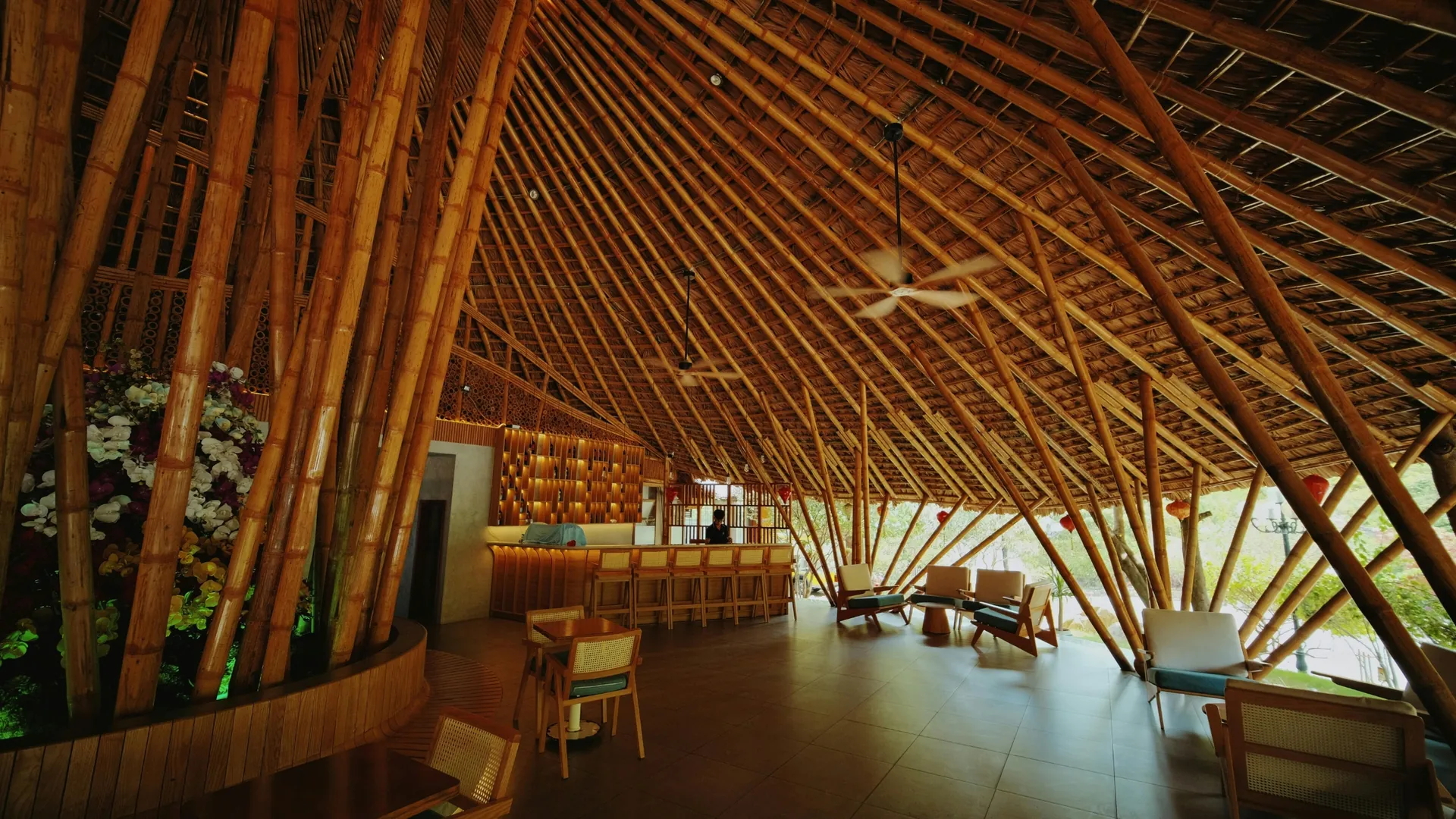
Walk through Bali, and you’ll see bamboo everywhere from houses, furniture, and even schools. More than just a plant, bamboo has become a symbol of green innovation in Bali. Local architects and engineers are transforming it into durable structures that rival steel in strength. Beyond construction, bamboo serves as a renewable raw material for everyday products, making it central to the island’s sustainability movement.
Zero-Waste Startups Making Waves in Bali
Zero waste startups in Bali are showing that sustainability isn’t just about materials but about mindset. From refill stations that eliminate single-use plastics to waste-to-compost businesses serving local farms, these ventures are redefining what it means to consume responsibly. The movement is growing fast, and many businesses now follow a circular economy model where nothing goes to waste.
Eco-Fashion and Sustainable Clothing Brands in Bali
Fashion has always been vibrant in Bali, but now eco fashion Bali brands are rethinking the industry’s footprint. Local designers are using organic fabrics, natural dyes, and ethical labor practices to create clothing that’s both stylish and sustainable. This new wave of sustainable clothing brands in Bali is also tapping into global markets, proving that ethical fashion can be both local and international.
Renewable Energy Startups Emerging in Bali
The demand for clean energy is growing, and renewable energy Bali startups are rising to meet it. From solar power projects in remote villages to startups exploring wind and micro-hydro solutions, Bali is increasingly reducing its reliance on fossil fuels. These ventures not only cut emissions but also create energy access for underserved communities.
The Green School in Bali – A Case Study in Sustainability
No story of sustainability in Bali is complete without the Green School. Built almost entirely from bamboo, it’s a living case study of how education and sustainability entrepreneurs Bali intersect. Students learn not just math and science, but how to grow food, design with nature, and innovate with renewable materials. It has inspired countless startups and projects across the island.
Eco-Friendly Food and Agriculture Startups in Bali
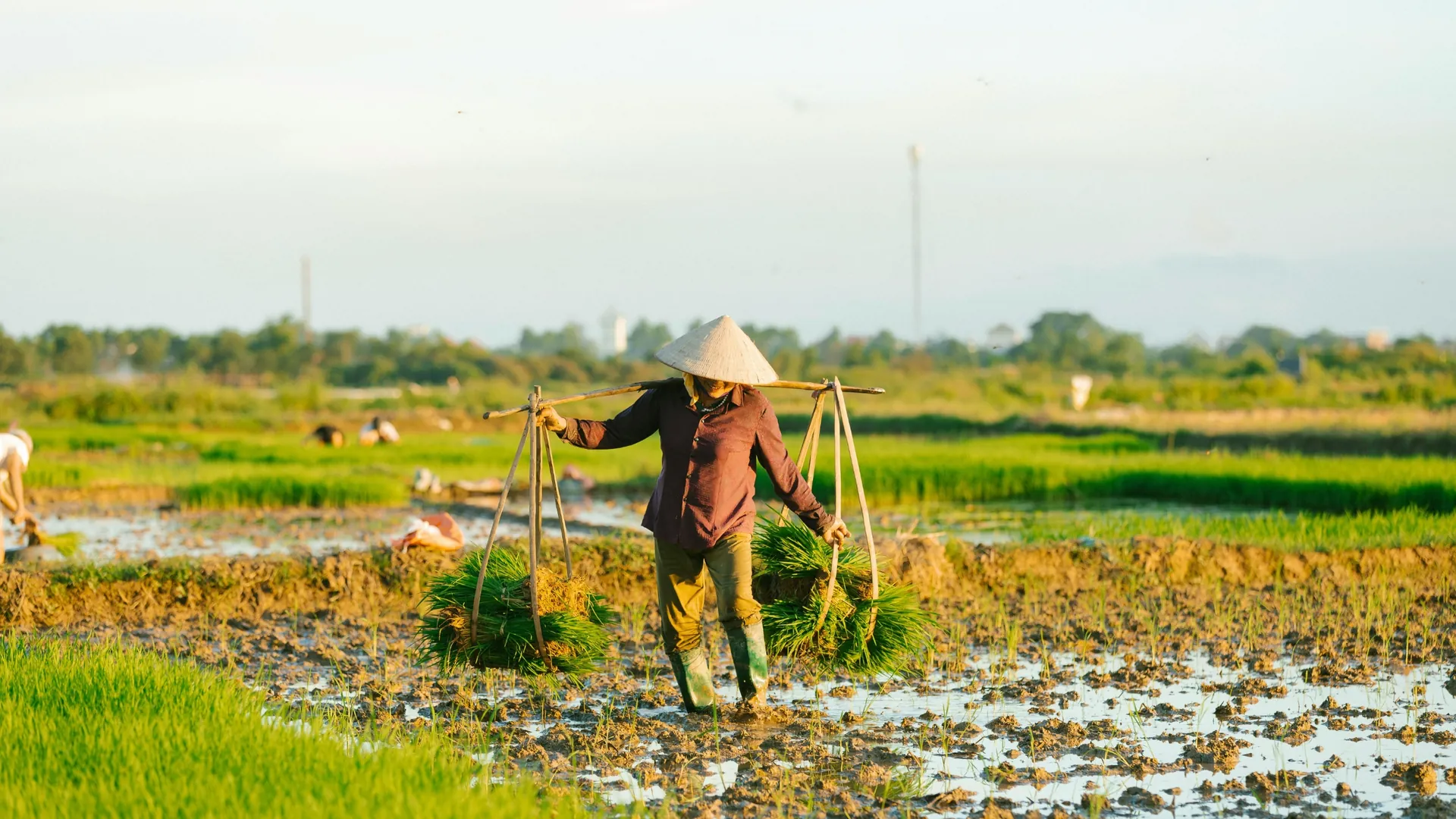
Eco-friendly food startups Bali are transforming how the island eats. From organic farms in the highlands to farm-to-table restaurants in Seminyak and Canggu, these startups prioritize health, soil regeneration, and community resilience. Some are pioneering vertical farming and aquaponics, making sustainable agriculture possible even in urban areas.
Challenges Facing Sustainability Entrepreneurs in Bali
Despite their growth, sustainability entrepreneurs Bali face hurdles. Land regulations, scaling limitations, and the high cost of eco-certified materials remain big challenges. Many founders rely on a mix of grants, partnerships, and community support to survive. Yet these obstacles also drive innovation, pushing startups to get creative with limited resources.
How Tourists Are Supporting Sustainable Startups in Bali
Tourism is still Bali’s backbone, and travelers play a big role in supporting sustainable startups Bali. Choosing eco resorts, shopping at sustainable boutiques, and dining at farm-to-table cafes all funnel resources into green businesses. More tourists are actively seeking responsible travel options, turning sustainability from a niche into a mainstream demand.

Future Trends in Bali’s Green Startup Movement
Looking ahead to 2026, the future of green innovation Bali is bright. Expect growth in clean tech, eco-friendly mobility, and even blockchain-based sustainability solutions. Cross-collaboration between startups, investors, and government bodies will shape the next chapter, making Bali a leader in sustainability across Southeast Asia.
As I reflect on my journey, I realize that what I witnessed in 2026 wasn’t just another business trend. It was a green revolution. The resilience of sustainable startups in Bali reminded me that innovation doesn’t only come from technology but from respecting nature and community.
If you’re ready to explore, support, or even build a green venture here, ORA eSIM can help you stay connected with the right networks, tools, and people on the island.
FAQs
What are the leading sustainable startups in Bali today?
Top ventures range from eco resorts and bamboo-based architecture firms to zero waste startups Bali and eco fashion Bali designers.
How is Bali supporting renewable energy?
Startups focusing on renewable energy Bali are developing solar, wind, and hydro projects to cut carbon emissions and improve energy access.
Can tourists support sustainable businesses in Bali?
Yes, by choosing eco resort Bali accommodations, shopping local, and dining at eco-friendly food startups Bali restaurants, tourists contribute directly to sustainability efforts.
What challenges do sustainability entrepreneurs face in Bali?
Regulatory barriers, sourcing eco-certified materials, and scaling operations remain the biggest challenges for sustainability entrepreneurs Bali.