
I thought sustainable travel meant skipping plastic straws and riding a scooter less. But after spending weeks exploring its beaches, rice terraces, and villages, I realized that sustainable travel in Bali goes much deeper, it’s about protecting what makes the island magical while still enjoying every experience it offers.
Here’s what I learned (and what you can try too) about making your Bali trip more meaningful and eco-friendly.
Why Sustainable Travel Really Matters in Bali
Tourism brings life and income to Bali, but it also pressures its natural resources. Sustainable tourism projects are helping balance this by promoting conscious travel that supports both people and the planet. From coral reef restoration in Amed to reforestation programs in Ubud, locals are working to preserve Bali’s beauty for future generations. As travelers, small choices like staying longer, using refillable bottles, and respecting temple etiquette make a big difference.
Bali’s Best Eco-Friendly Resorts to Stay In
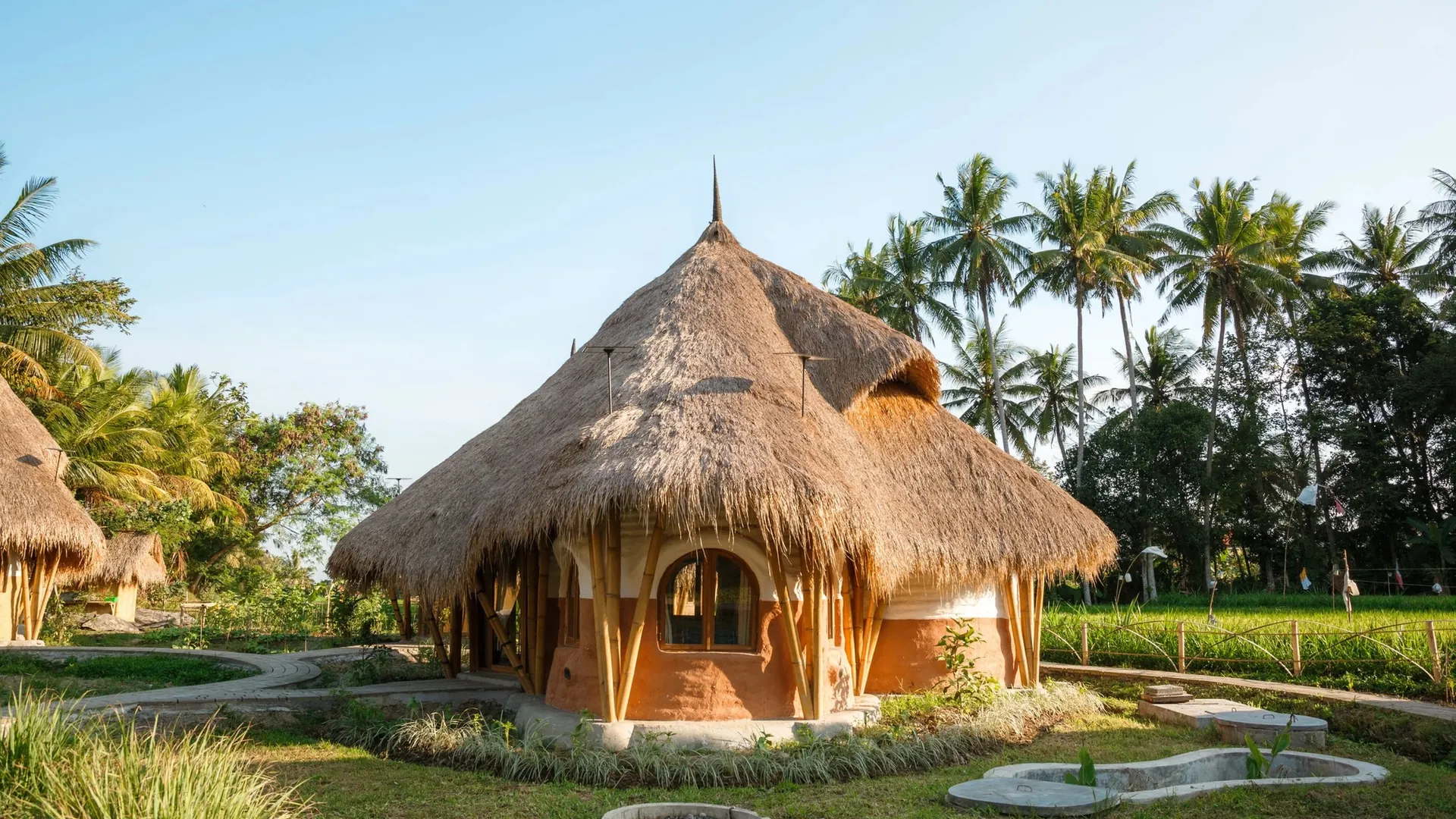
If you’re searching for eco resorts in Bali, you’ll find incredible options blending comfort with conservation. Bambu Indah in Ubud uses reclaimed materials and natural filtration pools. Mana Earthly Paradise offers zero-waste hospitality powered by renewable energy. These stays prove that luxury and sustainability can go hand in hand. Book directly through official websites to ensure fair wages for staff and authentic support for local ownership.
Mana Earthly Paradise Ubud
Photo from Mana Ubud
Reducing Plastic Waste While Traveling in Bali
Bali’s fight against plastic waste has made progress since the 2019 ban on single-use plastics. But travelers still play a big role. Bring a reusable water bottle, refill stations are everywhere. Skip takeaway packaging when possible. Join beach clean-ups in Canggu or Sanur for a hands-on contribution to eco-friendly Bali. Apps like “RefillMyBottle” help you locate nearby refill spots. A little effort goes a long way in keeping Bali’s beaches pristine.
Low-Impact Transportation Tips for Visitors
Exploring Bali sustainably means thinking beyond private cars. Use electric scooters or bicycles in areas like Ubud or Canggu. For longer trips, consider carpooling or joining small-group tours instead of solo rides. And if you work remotely, combine slow travel with a carbon offset travel Bali mindset and stay longer in one area to reduce frequent transport. With ORA eSIM, you can stay connected anywhere without needing physical SIM cards, reducing tech waste while staying online for maps, eco-guides, and ride apps.
Supporting Local Communities Through Tourism
One of the best ways to travel responsibly is by supporting Balinese communities directly. Book local homestays, eat at family-run warungs, and join workshops led by local artisans. This helps preserve cultural traditions while distributing tourism income fairly. Look for community-based tours in Sidemen or Munduk, they’re both immersive and empowering for locals.

Bye Bye Plastic Bags Founders
Photo from Planet Home
Eco-Tours & Conservation Programs That Inspire
Want to take your impact further? Join eco-tours that give back. Programs like Ocean Gardeners in Nusa Penida or the Bali Sea Turtle Society in Kuta let you witness conservation up close. These experiences connect you with passionate people protecting Bali’s biodiversity and give your trip lasting meaning beyond the photos.
How Bali Resorts Are Becoming More Sustainable
From solar energy to composting initiatives, many hotels are turning green. Chains like Alila and Potato Head have built entire sustainability teams focusing on renewable operations, waste reduction, and community training. Next time you book, ask about their sustainable tourism projects, transparency is key to driving real change.
Reviews of the Island’s Top Eco Projects
Projects like Sungai Watch and Bye Bye Plastic Bags have become household names in Bali’s sustainability movement. Their mission: cleaner rivers and empowered youth. Supporting these organizations through donations or volunteering helps multiply your positive footprint. Many travelers now plan their Bali trips around visiting such eco-initiatives, a new way of tourism that truly gives back.

Bambu Indah, Ubud
Photo from I-Escape
Offsetting Your Carbon Emissions as a Traveler
Even with the best intentions, travel creates emissions. Platforms like “myclimate” or “Cool Effect” let you calculate and offset your travel carbon footprint by funding renewable energy and forest conservation projects in Indonesia. Pair this with ORA eSIM for digital connectivity that reduces packaging waste and roaming emissions from physical SIM logistics. A small shift in habits, multiplied by millions, can make sustainable travel the new normal.
The Future of Sustainable Travel in Bali
Bali is evolving into one of Asia’s leading sustainable destinations but it’s a shared effort. From eco-resorts to waste-free cafés and local-led conservation, the island is proving that mindful tourism isn’t a trend; it’s the future.
On my last day in Ubud, I sat by the rice fields watching locals replant seedlings. It felt symbolic, a reminder that travel should always leave something good behind. 🌾
If you’re ready to explore eco-friendly Bali without missing a beat, start smart: travel light, stay conscious, and stay connected sustainably with ORA eSIM. No plastic SIM cards, no waste, just seamless digital travel.
FAQs
What does sustainable travel in Bali mean?
It means exploring Bali responsibly by reducing plastic use, supporting local communities, and staying at eco resorts in Bali that minimize environmental impact.
How can I make my Bali trip more eco-friendly?
Use reusable items, book local accommodations, join conservation tours, and offset your emissions through carbon offset travel Bali programs.
Are eco-friendly resorts in Bali expensive?
Not necessarily. You’ll find sustainable stays for all budgets, from boutique eco-lodges to luxury green hotels.
Can digital tools help reduce my travel footprint?
Yes. Using ORA eSIM means no plastic waste from traditional SIM cards and easy connectivity for navigation, eco apps, and bookings.
What are the top sustainable tourism projects in Bali?
Look into Sungai Watch, Bye Bye Plastic Bags, Ocean Gardeners, and the Bali Sea Turtle Society! They’re leading the way in eco-innovation.