
When I arrived in Bali, I thought I was simply coming for the beaches and sunsets. But on my third day, as I stood barefoot on the stone steps of a centuries-old temple, watching locals in colorful attire prepare offerings, I realized Bali’s true heartbeat lies in its temples. These sacred spaces are not just architectural wonders. They are living, breathing parts of Balinese culture. If you’re looking for must see temples in Bali that capture both beauty and spirit, here are the ones every traveler should experience in 2026.
Uluwatu Temple: Bali’s Cliffside Icon
Perched dramatically on a cliff 70 meters above the Indian Ocean, Uluwatu Temple (Pura Luhur Uluwatu) is one of the most famous temples in Bali. It’s renowned for breathtaking sunset views and the nightly traditional Kecak fire dance. Visitors can stroll along the cliffside paths while enjoying panoramic ocean vistas. Just be mindful of the cheeky monkeys who love to snatch sunglasses and snacks!
Tanah Lot: The Island’s Most Photographed Temple
Known as Bali’s most iconic sea temple, Tanah Lot is especially stunning at high tide when it appears to float on the ocean. At low tide, visitors can walk across to the base of the temple and receive a blessing with holy water. This spot is particularly magical at golden hour, making it one of the must see temples in Bali travelers dream of photographing.
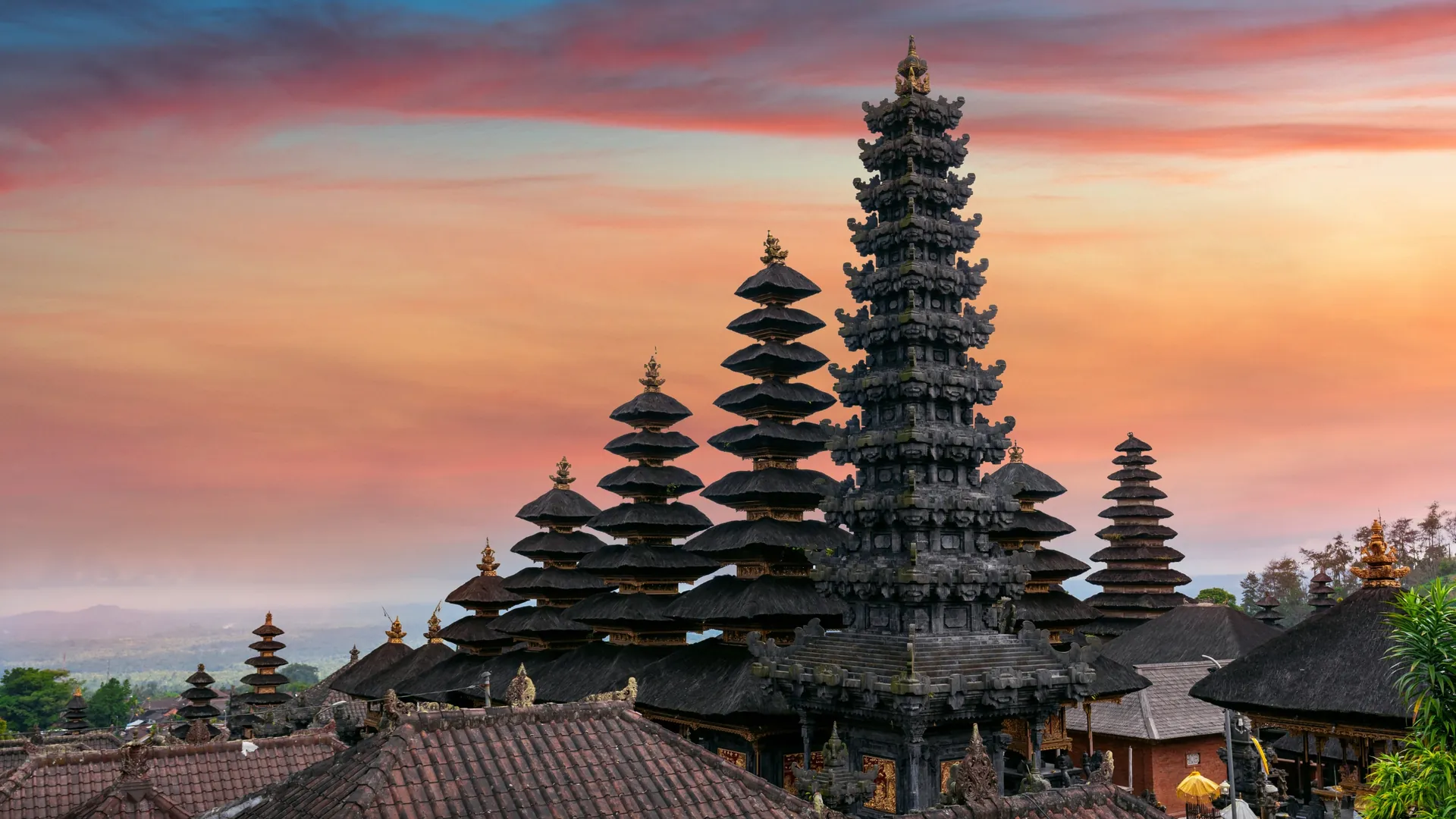
Pura Besakih
Besakih: The Mother Temple of Bali
Located on the majestic slopes of Mount Agung, Besakih Temple (Pura Besakih) is Bali’s largest and holiest temple complex. With more than 80 smaller temples, it has been the spiritual heart of the island for centuries. Visiting Besakih provides a deep insight into Balinese Hinduism and showcases the cultural strength behind every famous temple in Bali.
Tirta Empul: The Holy Water Temple Experience
At Tirta Empul Temple, visitors can join locals in a sacred purification ritual by bathing in holy spring waters. Each fountain represents a specific cleansing blessing, and the atmosphere is deeply spiritual. With sarongs tied around their waists, travelers experience not just a ritual but a profound connection to Balinese spirituality.
Ulun Danu Beratan: Bali’s Stunning Lake Temple
Perhaps one of the most photogenic temples, Ulun Danu Beratan seems to float gracefully on Lake Beratan in Bedugul. Surrounded by cool mountain air and misty skies, this temple is dedicated to the lake goddess Dewi Danu. It’s a peaceful retreat, far from Bali’s bustling beaches, and among the must see temples in Bali for anyone seeking tranquility.
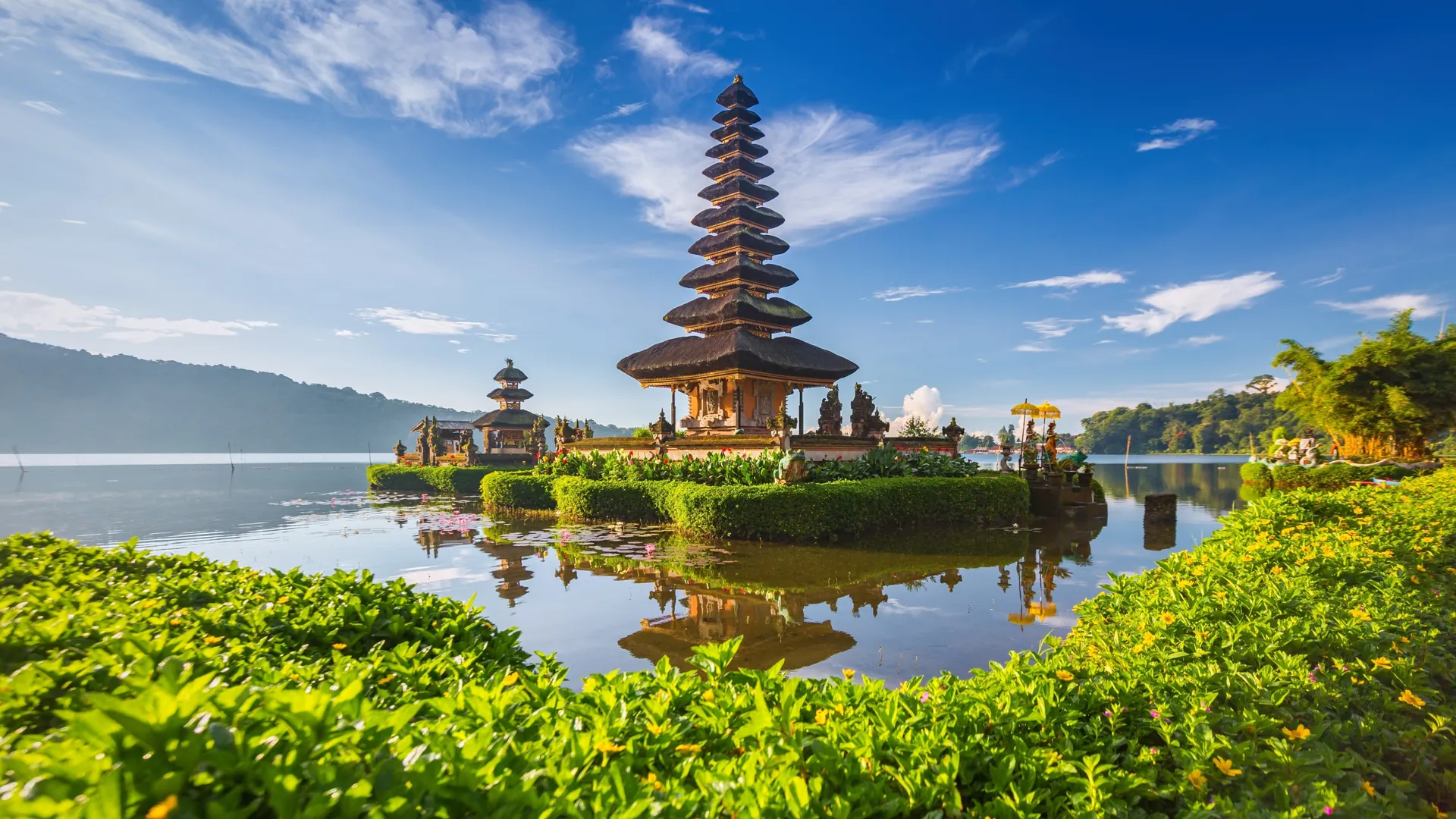
Lake Beratan, Bedugul
Hidden Temple Gems Worth Visiting
Beyond the well-known ones, Bali hides countless hidden temples that few tourists ever discover. Pura Gunung Kawi, with its rock-cut shrines, offers a glimpse into ancient devotion. Meanwhile, Pura Lempuyang home to the “Gates of Heaven” frames Mount Agung perfectly for one of the island’s most iconic views. Exploring these temples reveals a quieter, more authentic side of Balinese spirituality.
Temple Etiquette: How to Show Respect in Bali
When visiting temples, remember:
- Always wear a sarong and sash (often available for rent at the entrance).
- Don’t enter restricted areas reserved for worshippers.
- Avoid pointing your feet at shrines.
- Keep voices low and avoid disruptive behavior.
Respecting these rules ensures a meaningful visit and demonstrates appreciation for Balinese culture.
Why Temples Matter in Balinese Daily Life
Temples are the heart of community life in Bali. Every village has at least three temples, each serving a specific role. From daily offerings to full moon ceremonies, temples connect families, neighbors, and visitors to a rhythm of devotion that defines the island’s identity.
Temple Festivals Every Tourist Should Experience
Bali’s temples come alive during festivals such as Galungan, Kuningan, and Odalan. These events feature elaborate offerings, gamelan music, and traditional dance. Even as an observer, joining a temple festival offers a powerful cultural immersion and a chance to witness the heartbeat of Balinese spirituality.
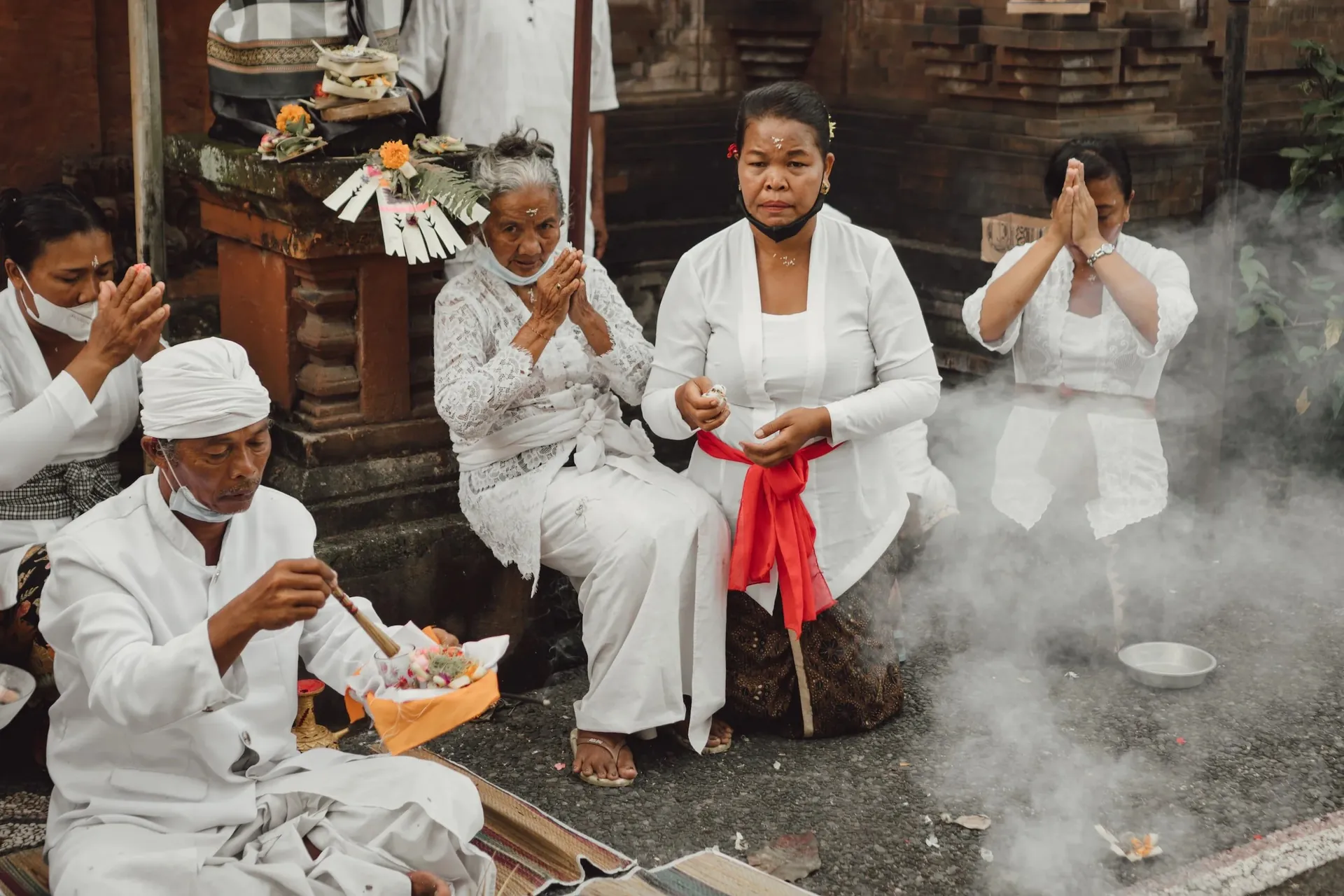
Odalan Ceremony
Photo from Baligram
The Future of Temple Tourism in Bali
As Bali grows in popularity, concerns about overtourism and preservation have increased. Efforts are being made to balance sustainable tourism with cultural respect. By supporting local guides, respecting temple etiquette, and contributing to community funds, travelers can help preserve these sacred places for generations to come.
As I left Bali, I realized my most cherished memories weren’t from the beach clubs or surf spots, but from moments of awe inside its temples. Whether it was standing at the edge of Uluwatu’s cliffs, dipping into Tirta Empul’s holy waters, or watching ceremonies at Besakih, I carried home more than just photographs. I carried a piece of Bali’s soul.
Ready to plan your own temple journey in Bali? Explore more travel insights with ORA eSIM and make your 2026 adventure effortless with smart connectivity. Book your Bali trip today and let ORA eSIM guide your way!
FAQs
Do I need to pay to enter temples in Bali?
Yes, most major temples have a small entrance fee (IDR 30,000–60,000). The fee usually includes sarong rental.
Can tourists join temple ceremonies?
Tourists are welcome to watch ceremonies respectfully, but only locals may actively participate in sacred rituals.
What is the best time to visit Bali’s temples?
Early morning offers peace and fewer crowds. Sunset is magical at cliffside or sea temples like Uluwatu and Tanah Lot.
Are children allowed in temples?
Yes, children are welcome, but it’s important to keep them calm and respectful during ceremonies.
Which temple should I visit first as a beginner traveler?
Start with Tanah Lot or Uluwatu Temple for iconic views, then explore Besakih and Tirta Empul for cultural depth.